
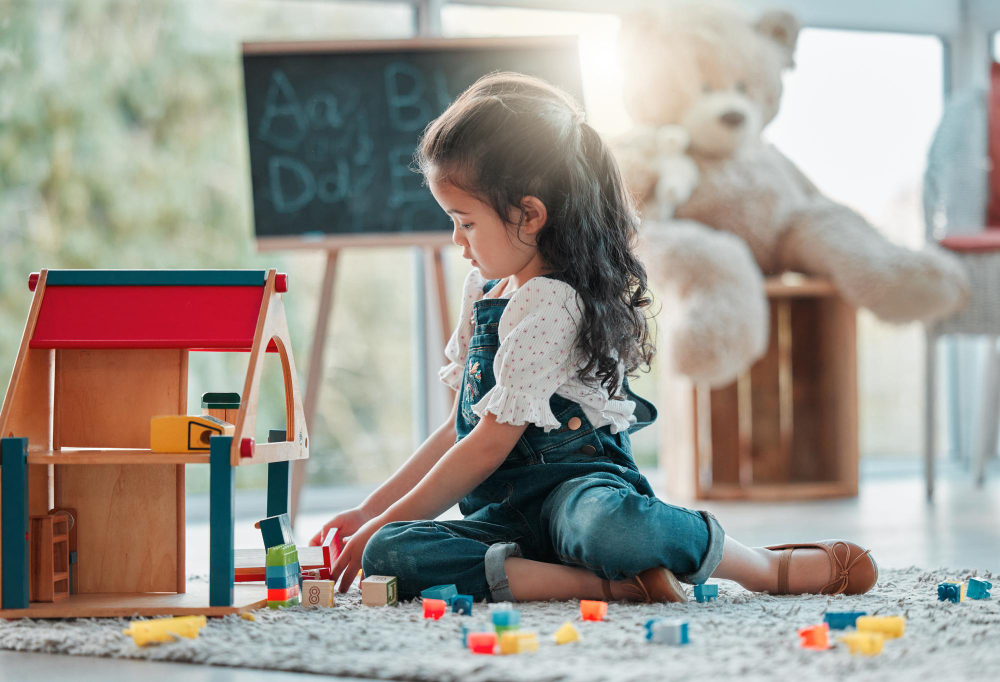
Introduction to Environmental Stimulation and Child Development
Every child grows and learns in unique ways. However, environmental stimulation in child development plays a big role in shaping how children think, feel, and move. From birth, a child’s surroundings help guide their growth. For this reason, it is important to understand how the world around a child can affect their future.
How Surroundings Influence Cognitive, Emotional, and Physical Growth
Children learn by exploring their world. When they see, hear, and touch new things, their brains grow stronger. For example, talking, singing, and reading with a child can boost their language skills. In addition, safe spaces for play help children build strong muscles and coordination. Emotional growth also depends on feeling loved and safe. When children get support, they learn to trust and express their feelings. On the other hand, a lack of stimulation can slow down learning and growth.
Key Factors: Home Environment, Play, Social Interaction, and Exposure to Nature
Several factors shape a child’s development. Let’s look at the most important ones:
Signs of Positive and Negative Environmental Stimulation
It is important to notice how a child responds to their environment. Here are some signs to watch for:
If you notice negative signs, it may be time to make changes or seek help.
Practical Tips for Parents to Create a Stimulating Environment
Parents can do many things to help their child grow. Here are some simple tips:
Prevention of Developmental Delays Through Environmental Enrichment
Early and rich stimulation can help prevent developmental delays. According to the World Health Organization (WHO), children who get support and learning at home are more likely to reach their full potential. For this reason, parents should offer a mix of learning, play, and love every day. If a child faces challenges, early help can make a big difference.
When to Seek Professional Advice
Sometimes, children need extra support. If your child is not meeting milestones, or if you notice changes in behavior, talk to a pediatrician. Early advice can help address any concerns. In addition, doctors can guide you on how to stimulate a child’s environment for better growth. Remember, every child is unique, and help is always available.
For personalized guidance on your child’s development, consult Dr Sravani.